Natural acids just might be the culprit.
While acidity gives coffee its bright, complex flavors, it’s not always welcome—especially if you’re prone to stomach discomfort or prefer a mellower cup.
The good news is that you don’t have to sacrifice a delicious coffee experience to reduce those acidic notes. Smoother brews are in sight, and this guide will detail everything you need to know to achieve them.
What makes coffee acidic?
In many ways, coffee is chemistry. So before learning how to reduce acidity in coffee (or at least how it’s perceived), it can be helpful to know the two types of acids most common in your brewed coffee:
● Organic acids – Acetic, formic, lactic, and glycolic acids fall under this group. Some individuals react poorly to these acids, leading to stomach discomfort.
● Chlorogenic acids – These acids, especially citric and quinic, are thought to be the primary source of a coffee’s fruity, citrus-like sharpness.
It’s also critical to clarify one point: Studies generally agree that there’s no way to actually lower the total acid level of your brewed coffee. Only the roasting process itself affects coffee’s aciditylevels.,
So, rather than any specific formula, the question of how to make coffee less acidic is more about finding what works for you and the type of coffee roast that suits you best.
Why you might want to reduce acidic flavors in coffee
For some, the bright acidity in coffee can lead to physical discomfort, such as stomach irritation or acid reflux. Others simply prefer more mellow, sweet, or earthy flavors over the sharp citrus notes found in light roast coffee beans.
Whether it’s for the taste or for your gut, let’s delve into specific strategies for smoother and less acidic-tasting cups.
Choosing low-acidity coffee beans
Coffee’s acidity begins with the coffee beans themselves. So your bean selection is the biggest factor in how to make coffee less acidic.
Here are a few tips to guide your selection:
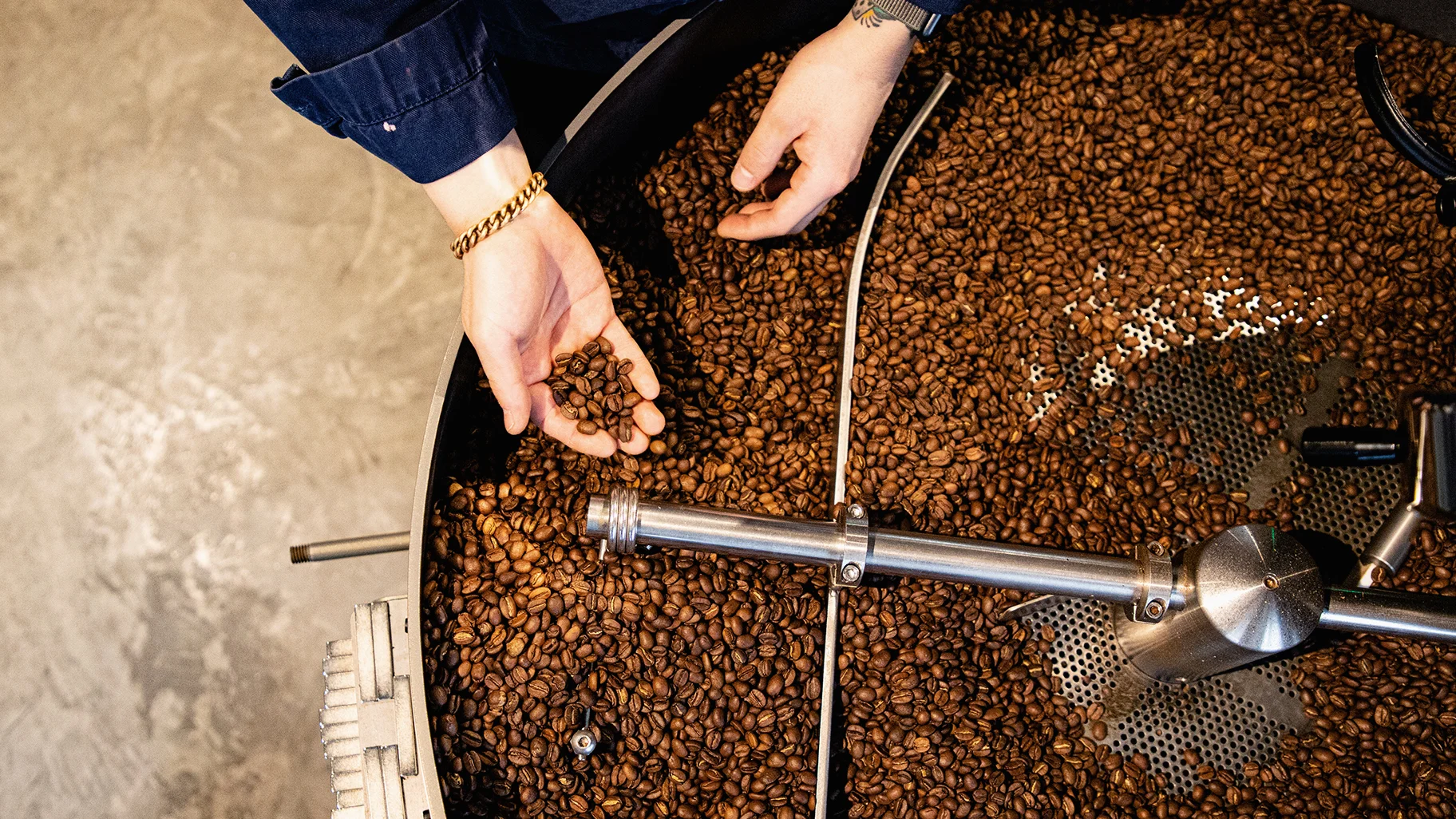
● Go for darker roasts – Many people don’t know the difference in acid level when comparing dark coffee roasts vs. light roasts. Studies show that dark roast beans, like Italian or French roast, have reduced acid content compared to lighter roasts.
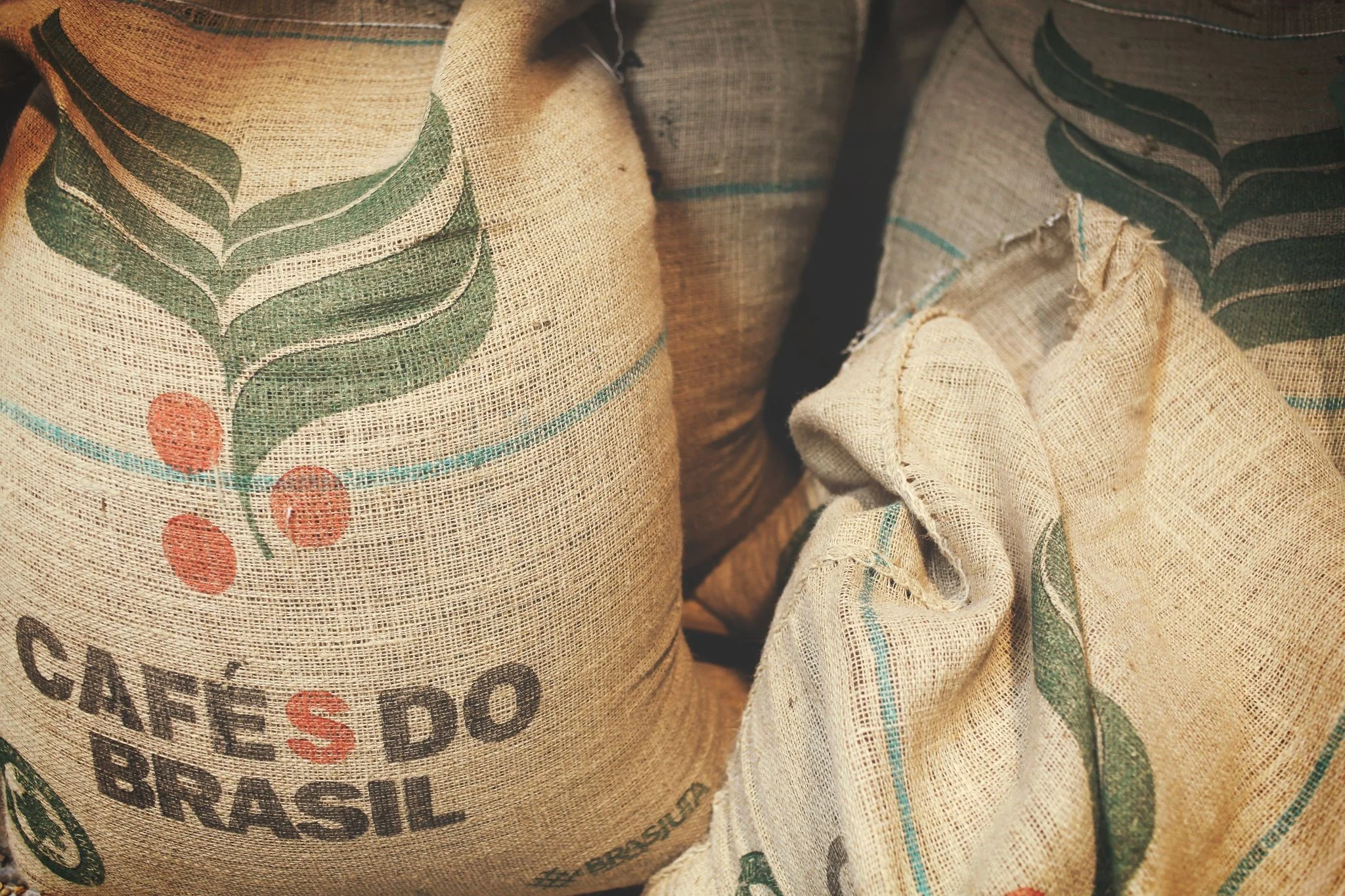
● Look for low-altitude origins – Beans grown at lower elevations are known to develop less acidity and more mild tones. Indonesian, Mexican, and Brazilian coffees are great options.
● Try a decaffeinated blend – While decaf coffees don’t necessarily change much in terms of flavor, they may reduce the stomach discomfort associated with caffeine, which can increase stomach acid production.
Certain coffees are even labeled as low-acid, which could provide the flavorful yet gentle brew you’re looking for.
Brewing methods to reduce coffee acidity
Again, coffee is chemistry—and one of the biggest chemical reactions comes from the coffee brewing method you choose.
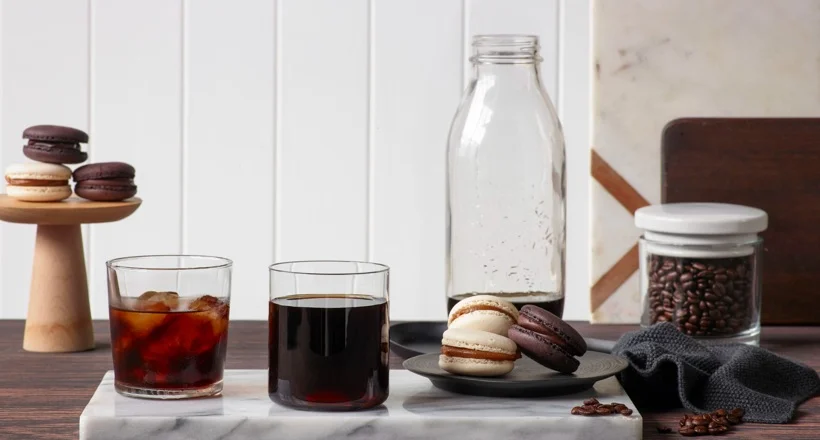
In general, brewing with a lower temperature than normal is associated with less acidic undertones carrying over into your final cup. Cold brew, which involves steeping grounds in cold or room temperature water overnight, is a great example, with an almost chocolatey sweetness in place of any citrus notes.
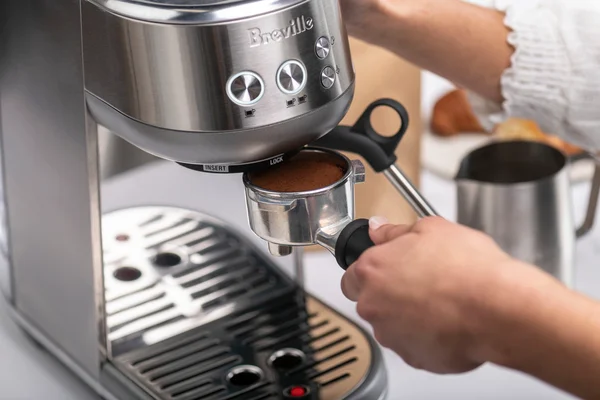
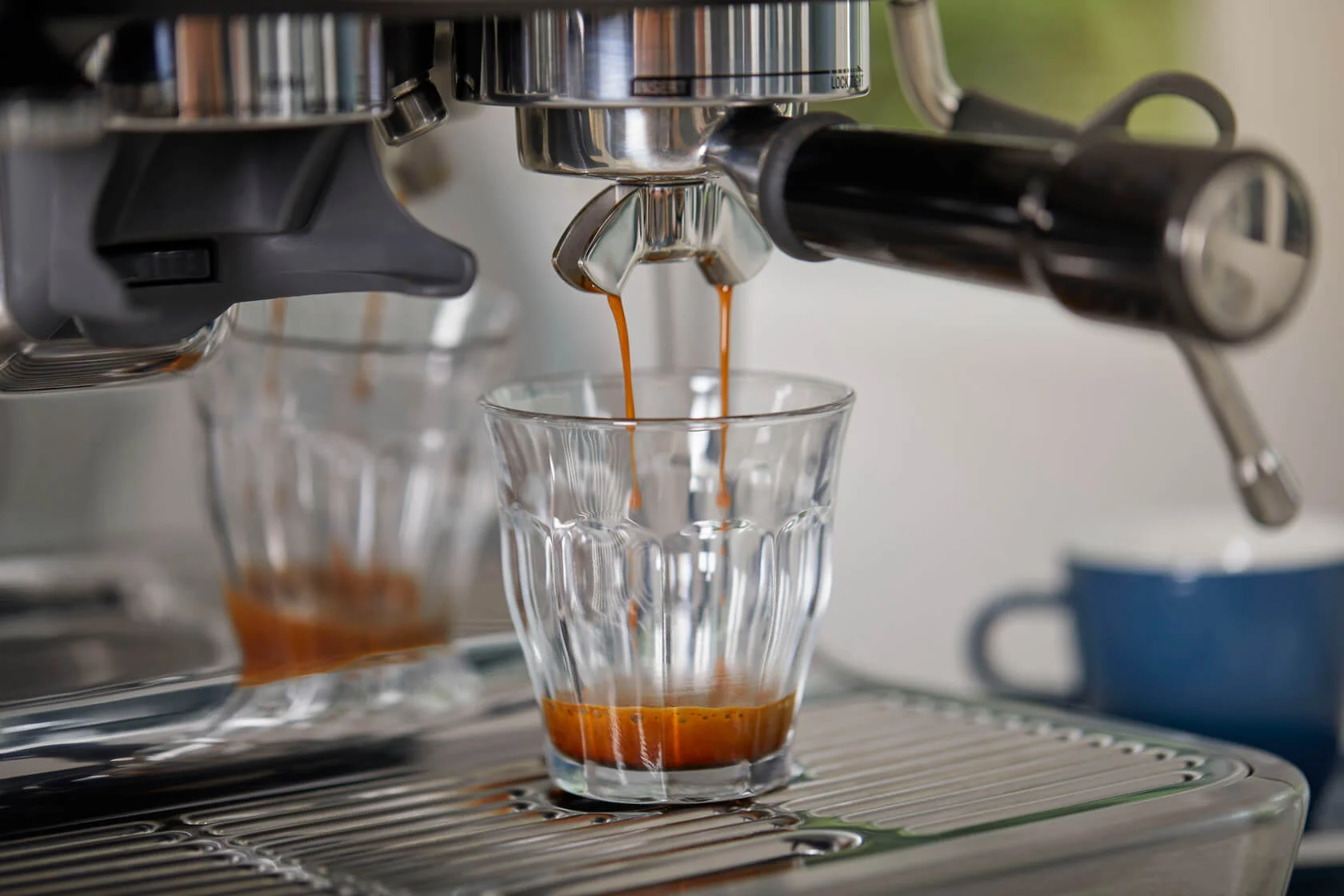
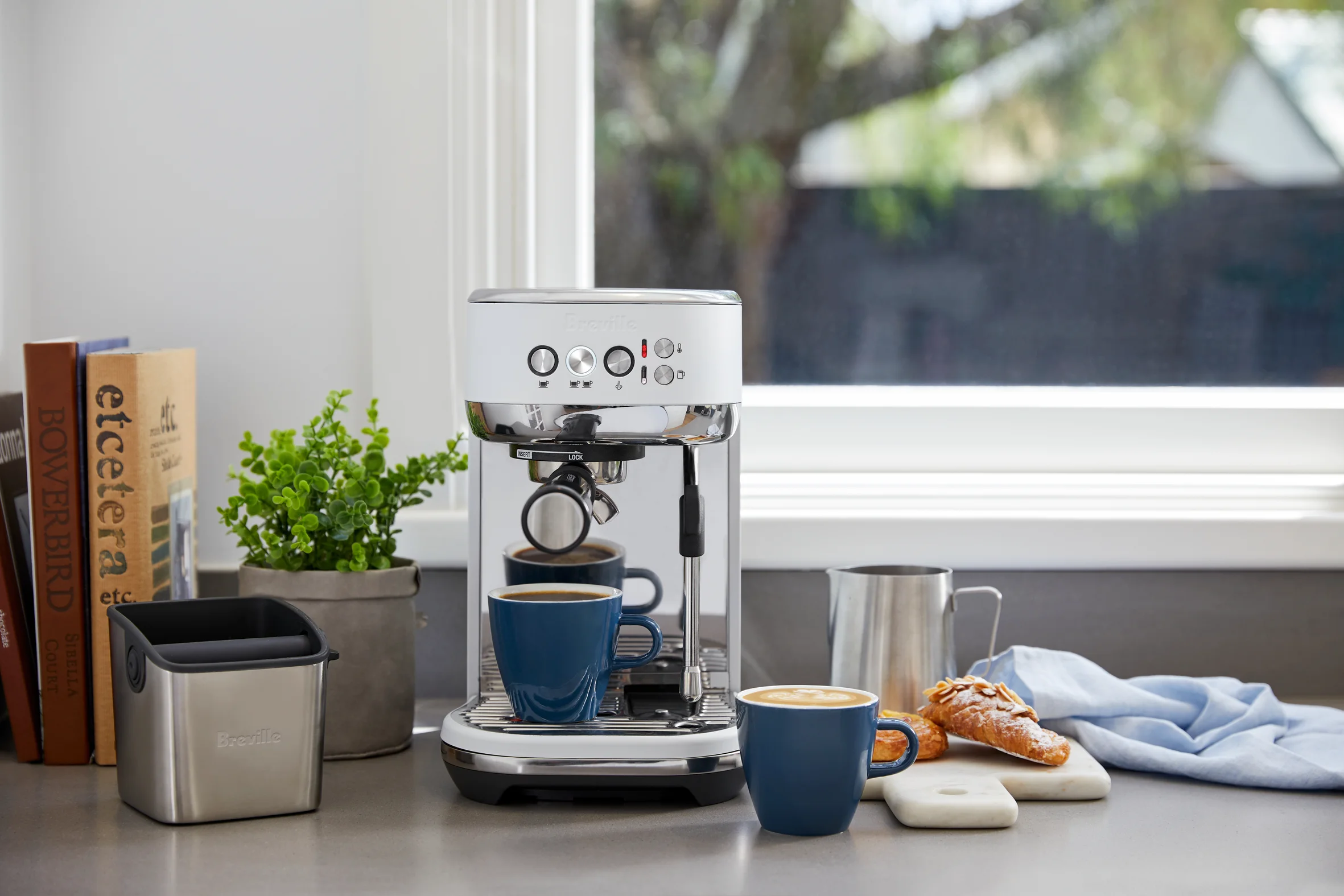
Espresso is another excellent choice if you’re looking for lower acidity, delivering a smaller, concentrated dose of coffee.
Adding ingredients to neutralize acidity
Carrying on with our coffee chemistry course, certain ingredients can also smooth out sharper acidic tones.
Consider just a few:
● Milk and cream – The calcium in dairy products helps neutralize acidic flavors, producing a creamier and less astringent cup.
● Salt – A pinch of salt, either in your grounds or mixed well into your final cup, can balance the acidic tones for a milder finish.
● Baking soda – Some coffee drinkers report that very small amounts (1/16 to ¼ of a teaspoon) of baking soda can help mute acid’s impact—on the palate and the stomach.
What works for some may be different from others. As with all things coffee, experimentation is key.
Grinding coffee beans to reduce acidity
Rather than opting for pre-ground beans, choosing to grind your own with a coffee grinder can give you greater control over perceived acidity. For instance, you can use a coarser grind to extract less overall coffee (and acid by extension). By grinding your own coffee beans, you’re better able to experience the coffee’s true complexity rather than stale and sour notes, which could be perceived as acidity.
Acidic or alkaline, brew your ideal cup with Breville
Ultimately, there’s no one-size-fits-all solution for less acidic coffee. While the actual amounts of acid won’t change, you can certainly adjust its impact through your choice of beans, brewing method, and added ingredients.
The best way to find out what works for you? Experiment with a variety of coffee bean types and brew methods.
Coffee is chemistry—and with a little time and patience, you’re sure to find the coffee formula for your unique tastes.
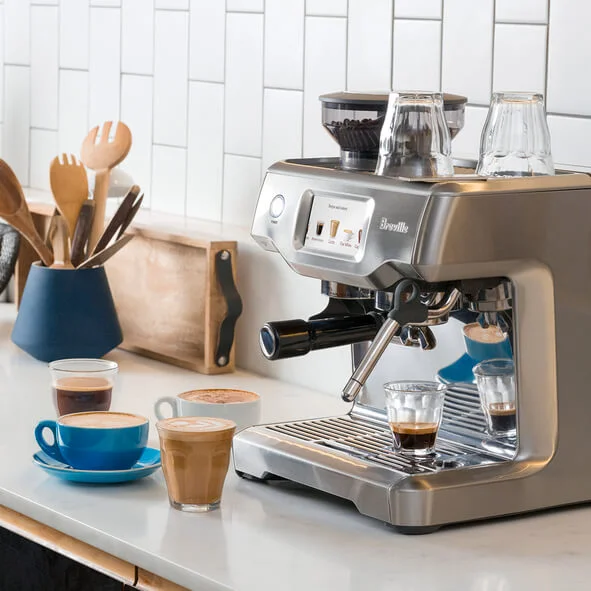
Breville aims to make that journey as easy as possible by offering the tools you need to customize your coffee experience. From precision grinders to espresso machines and cold brew setups, Breville ensures consistent quality so you can focus on finding that perfect brew.
Ready to start your journey to a smoother cup? Explore Breville’s full range of coffee equipment and kitchen appliances today.
Sources:
1. Science Direct. Acids in brewed coffees: Chemical composition and sensory threshold. https://www.sciencedirect.com/science/article/pii/S2665927123000539
2. Phys.org. Using chemistry to unlock the difference between cold- and hot-brew coffee. https://phys.org/news/2020-04-chemistry-difference-cold-hot-brew-coffee.html
3. Nature.com. Acidity and Antioxidant Activity of Cold Brew Coffee. https://www.nature.com/articles/s41598-018-34392-w
4. Pubmed. Role of roasting conditions in the level of chlorogenic acid content in coffee beans: correlation with coffee acidity. https://pubmed.ncbi.nlm.nih.gov/19530715/
5. Well and Good. Why You Should Add a Pinch of Baking Soda to Your Coffee if You Have a Sensitive Stomach. https://www.wellandgood.com/baking-soda-in-coffee/
6. Healthline. Is Coffee Acidic? https://www.healthline.com/nutrition/is-coffee-acidic#variations