Is the oven temperature or cook time different? Will a convection oven require modifying a super-precise recipe?
Convection baking may sound complicated, but you can get started using a setting you already have on your regular oven at home. So, keep reading as we go through all the know-how and “ingredients” needed to master cooking with convection ovens.
What is a convection oven, and how does it work?
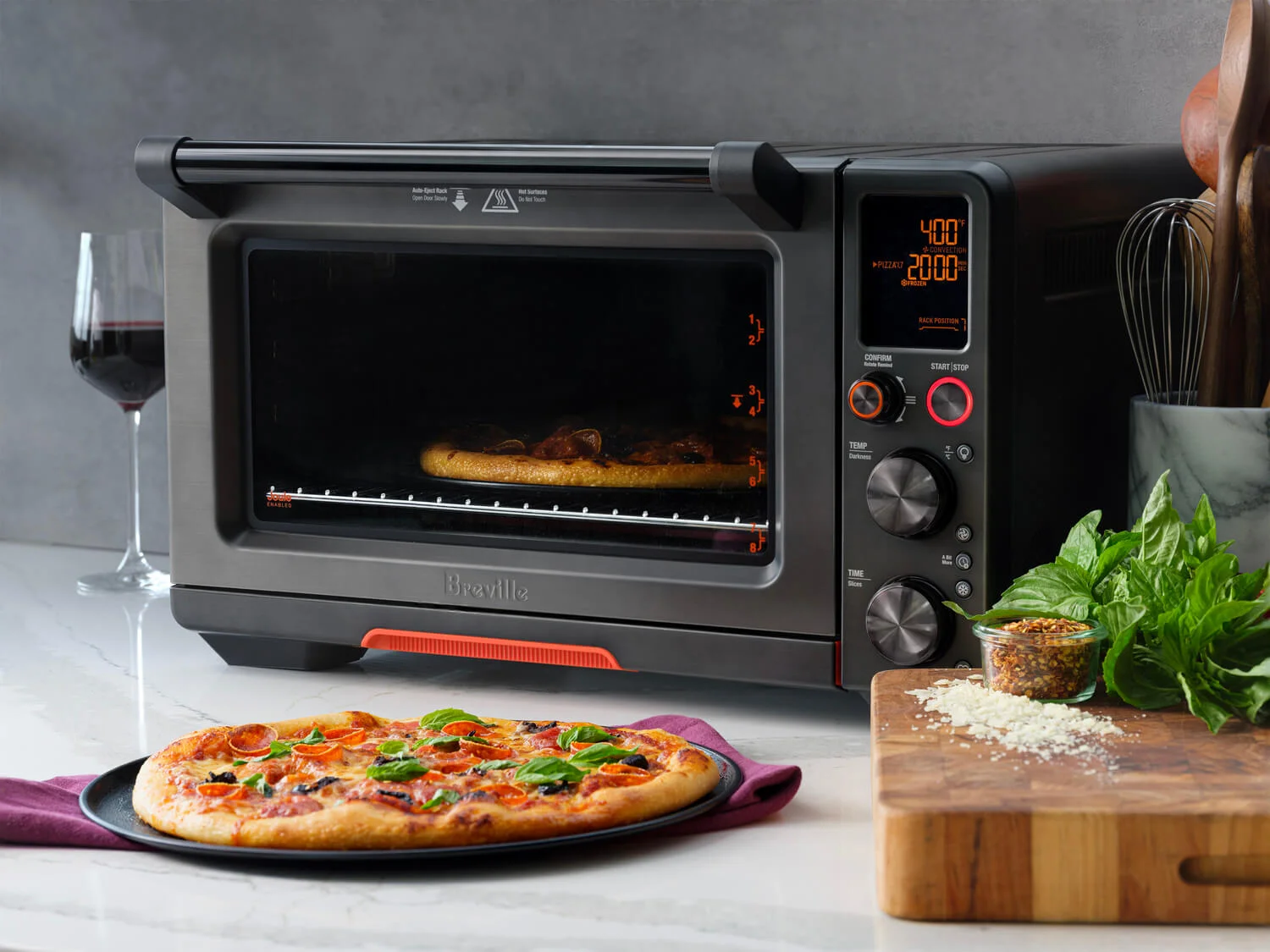
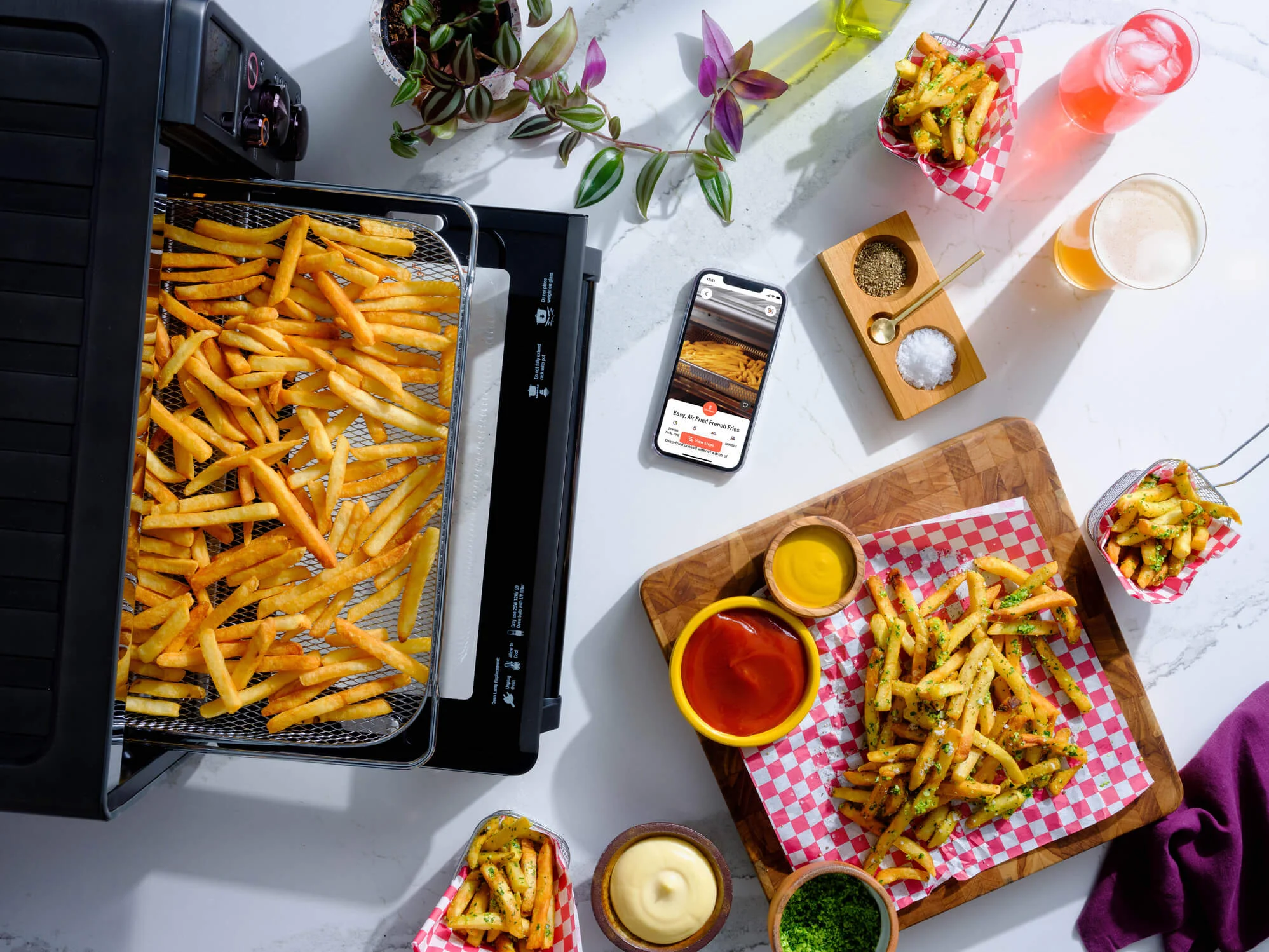
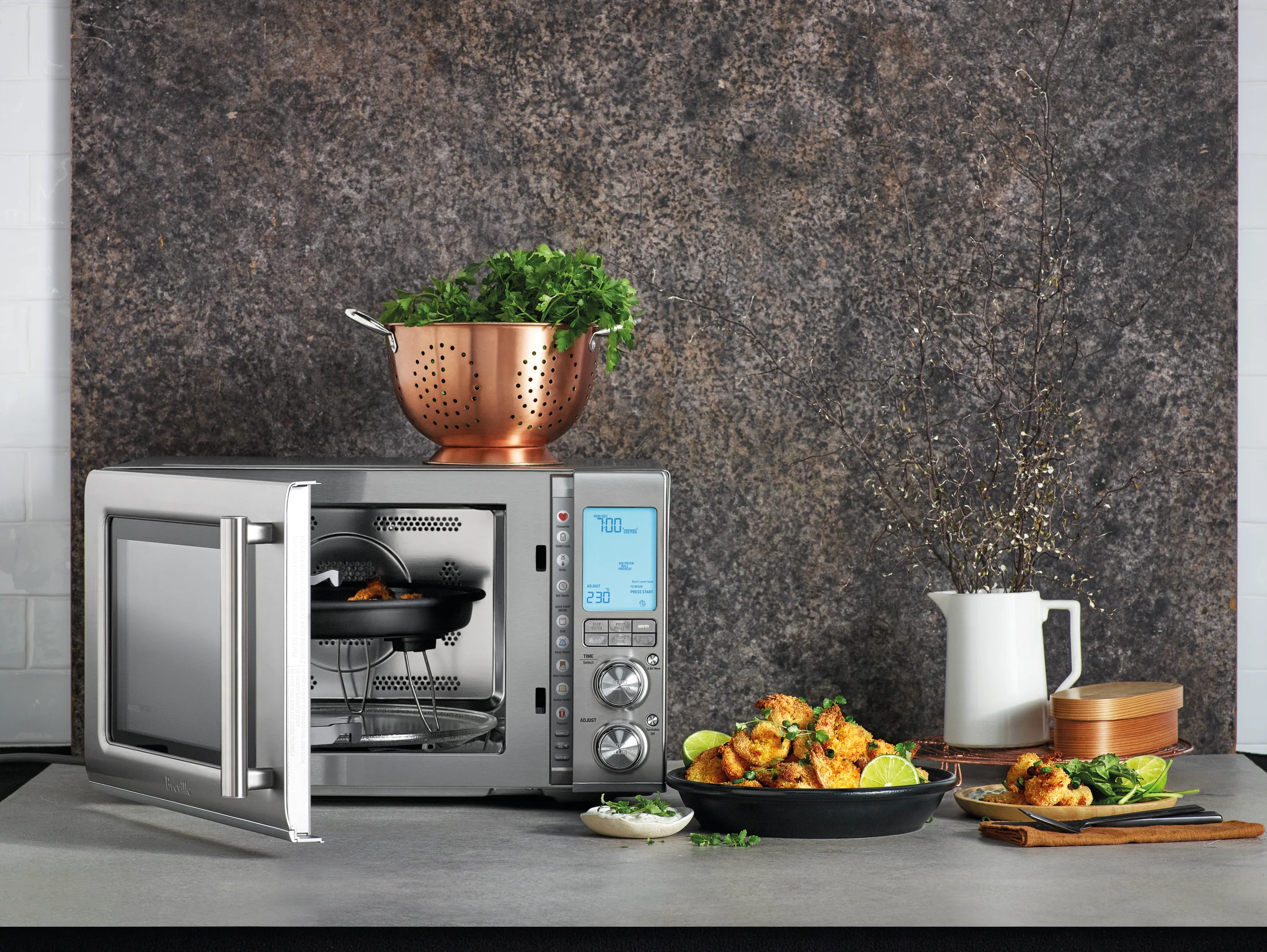
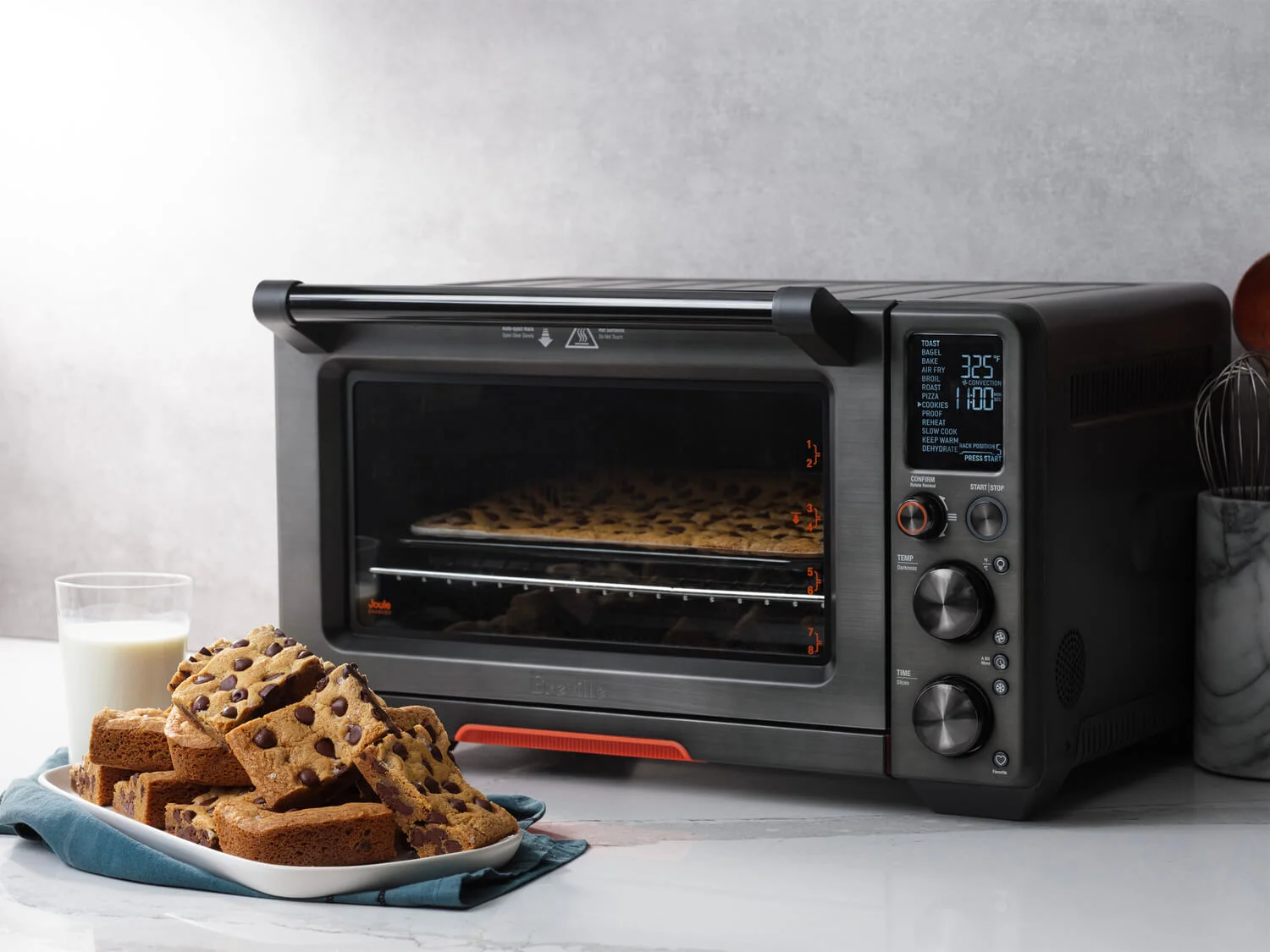
A convection oven comes equipped with fans and an exhaust system. Many modern ovens have convection settings, but you can also find standalone convection ovens that exclusively cook using the convection fan system. Even if you're not familiar with the term “convection oven,” you’ve already used one if you have an air fryer at home—they’re essentially fun-sized convection ovens you can easily store on your counter or stow away in your cabinet.
Convection ovens alter the baking process by using their ventilation system to circulate air around the oven chamber. As the heating element warms up, the convection fan blows the air evenly throughout the oven, creating a more even cook.1 And because the hot air circulates, convection ovens heat up faster than conventional options.
When comparing convection bake vs. bake settings, standard ovens exclusively heat from below, with the bottom element responsible for preheating and maintaining the oven temperature. The air heats up over time, with the heat gradually rising up and spreading out on its own.
As a result, convection ovens can get a bit hotter than a traditional oven, even when they're set to the same temperature. The increased heat can cook your dish faster, making convection ovens ideal for roasting meats and vegetables, reheating leftovers, and cooking covered dishes, but perhaps requiring a little caution with some others.
Getting started with your convection oven
Whether you have a standalone model or want to try out the convection setting on your oven at home, the basic process is the same. Here's how to cook with a convection oven and get the best results.
Preheating the oven
A major allure of cooking with a convection oven is the faster preheating time. The convection setting on a regular oven typically heats up 25% faster than when you use the standard bake setting.
However, this can vary based on the size of your oven, with smaller models often heating up faster because they have to heat up less air—that's why preheat times on air fryers may only take a few minutes. Oftentimes, the manufacturer's manual will have information on preheat times, so you can check there to get a more accurate estimate. For example, Breville convection ovens beep upon reaching 75% preheat based on our calculations for the fastest combined preheating and cooking time.
If it's your first time using your convection oven, keep an eye on the clock and either listen for the beep or look for the light indicator to see when you've reached your desired temperature. You might also want to choose to try out the convection setting on a low-stakes recipe or when cooking for yourself if you’re prone to stressing over culinary perfection.
Understanding the settings
Sometimes, you may only see one convection setting on your oven. Some models, however, have multiple options for convection cooking, including:
● Convection bake
● Convection roast
● Air fry
● Super convection
The names might vary a bit depending on your oven's model, but each one indicates the type of baking it's designed for. Convection roast, for example, is best for making roasted sheet pan vegetables, roasted chicken, and roasted fish. Convection bake, on the other hand, is better for casseroles and baked goods.
Depending on the setting you choose, the oven will likely adjust the convection fan speed and the temperature of different heating elements.
Choosing the right cookware
Even though standard and convection ovens use slightly different baking methods, that doesn't mean you have to change everything about your cooking process. You can still use any oven-safe cookware when using a convection oven or cooking on the convection setting. That includes heat-proof glass, glass ceramic, Pyrex, and metal baking pans.
But even though you don't need dedicated pans for your convection baking recipes, you can get better results by switching out your cookware in certain situations. Using low-sided pans and baking sheets can make it easier for the air to hit all sides of your dish, maximizing the crisping effect. Pans with high sides could block the hot air, limiting the benefits of the convection setting.
If you want to reheat certain foods, like casseroles, you'll want to use a covered dish with a lid. This lets you enjoy the even cooking effect without drawing too much moisture out of the dish with the ventilation system.
Cooking techniques for convection ovens
Because true convection ovens cook hotter and faster than classic ovens, they're particularly suited for certain types of cooking. Anything that involves browning or creating crispy edges is a great candidate for convection baking. For example:
● Cooking pan-roasted vegetables
● Roasting chicken or other poultry
● Toasting nuts
● Dehydrating fruits and vegetables
With their evenly distributed heat, convection ovens also deliver tasty results for quickly reheating your meals—just remember the considerations about using sheet pans or other low-rimmed cookware versus covered pans or pots. Less coverage gives crispier and better-browned results, while lids help retain moisture.
Tips for successful cooking
With just a few adjustments, your convection oven can add the perfect finish to your favorite dishes and elevate your cooking to the next level. When used properly, the right oven setting will improve the texture and consistency of your meals.
So, if you’re ready to get cooking and earn the first 4-star kitchen rating on your block, keep the best practices below in mind.
Adjusting recipes for convection cooking
One of the first things to consider when convection cooking is the oven temperature. Because convection ovens cook faster and get hotter than standard ovens, you may need to adjust the timing, the temperature, or both. Try lowering the temperature by 25 degrees, or reducing the cook time by 25% to get started.
If you’re not sure which element of the recipe to adjust, think about the outcome you’re looking for in your dish. For example, if you want to roast some veggies and make sure the edges are nice and crispy, keep the cooking temperature the same and just decrease the cooking time. The higher heat in a faster time frame can help brown the edges and give you a good crunch.
For dishes like covered casseroles, you might want to lower the temperature and keep the time the same to ensure the right texture throughout the dish.
Troubleshooting common issues
Like any cooking technique, it might take a few tries to get the hang of convection cooking—and that’s ok! Especially because the air system can change the temperature inside your oven when compared to standard baking, it may take some trial and error for you to get used to your convection oven.
If you love experimenting, it’s perfect for trying small changes to recipes to taste the results.
But if you want something closer to perfection right from the start, it’s best to begin by cooking basic dishes that you’re familiar with. Then, check on their progress part way through to see how they’re coming along. If you notice your food is burning, decrease the temperature a bit more. Based on your results, you can make minor adjustments to your cooking temperature and timing until you find the right balance.
You can also consider getting an oven thermometer to set yourself up for success. The oven thermometer will accurately tell you the temperature inside your convection oven, so you can take the guesswork out of reducing your temperature settings.
Another common issue with convection ovens is potential overcrowding. If you have too much food in your convection oven at once, the sheer size of your meal could block the fans from evenly spreading around the heat. Try to position your dish to maximize airflow, and consider splitting up larger meals into smaller portions that you can cook one by one.
Cleaning and maintenance
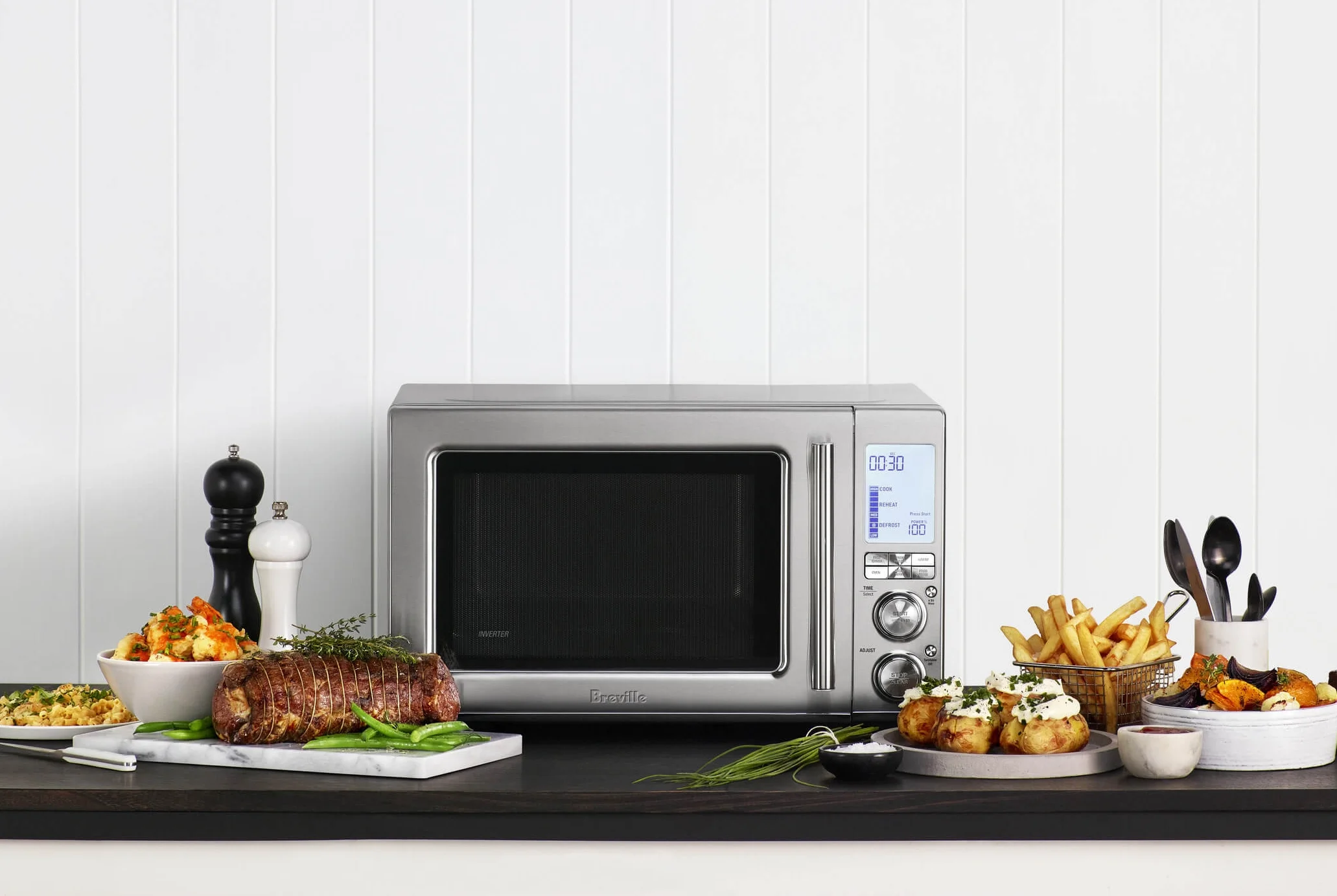
Convection ovens need regular maintenance to operate properly, just like standard ovens, and the cleaning process is pretty similar. Here’s how we recommend cleaning the Breville Smart Oven Compact Convection:
1. As a safety measure, turn OFF the power by pressing the START/CANCEL button. You’ll know the oven is off once the red light around the button you’ve pressed is no longer illuminated. Then, unplug the cord just to be extra safe.
2. If your oven hasn’t cooled down yet, make sure you can safely touch it before disassembling it for cleaning.
3. For the oven’s outer body, apply a non-abrasive spray or liquid cleaner to a sponge and wipe it down. The same technique works for the oven door, only you’ll want to use glass cleaner.
4. When you clean the inside, a damp sponge should be all that’s needed most of the time. However, if your convection oven shows signs of buildup, you can use a non-abrasive cleaner as long as you don’t get any on the element. Never use cleaning products directly on the heating element.
5.b Cleaning the crumb tray should be done every time you use the oven, but if buildup starts to occur, you have a couple options. Either wipe down the tray with a damp sponge and non-abrasive cleaner or let it soak for a bit for heavily baked-on grease.
6. Accessories like oven racks, broil racks, and baking pans can be hand washed in the sink without issue, but we do not recommend putting them in the dishwasher.
7. Once all parts are completely dry, reassemble your convection oven.
From time to time, you may want to clean out the fans and vent, too. Remove any burnt food or crumbs from the fan before very gently wiping down any areas you can easily access. Check the back of the oven for the air intake vent and clean out that area the same way. While you’re doing your regular clean, make sure the fan blades can move freely.
By regularly wiping down your convection oven, you can avoid buildup and keep everything in working order.
Becoming a convection pro
Once you master convection baking, you’ll be able to enhance any dish with a more consistent cook. To get even better results, make sure you have an oven that’s up to the task.
Explore the Breville line of convection ovens today to find the equipment you need to elevate your kitchen—and unlock your full potential with Breville+. This premium membership provides exclusive access to curated recipes, personalized cooking tips, and masterclasses designed to help you get the most out of your Breville appliances.
From precise convection baking techniques to creative new recipes, Breville+ offers everything you need to take your culinary skills to the next level.
Sources:
1. Masterclass. Convection Oven vs. Conventional Oven: 5 Key Differences. https://www.masterclass.com/articles/convection-oven-vs-conventional-oven-explained
2. Real simple. What Is Convection Cooking, and When Should You Use It Over Regular Roasting or Baking? https://www.realsimple.com/food-recipes/cooking-tips-techniques/cooking/convection-baking-regular-baking
3. Serious Eats. How Do Air Fryers Compare to Convection Ovens? https://www.seriouseats.com/air-fryers-vs-convection-ovens-7099606
4. Breville. Smart Oven Compact Convection Instruction Book. https://brevilleonline.shop/breville-media/cache.png?u=aHR0cHM6Ly9hc3NldHMuYnJldmlsbGUuY29tL0luc3RydWN0aW9uLUJvb2tsZXRzL1VTQ00vQk9WNjcwX1VTQ01fSUJfSTIxX0ZBX1dFQi5wZGY
5. Washington Post. Convection cooking: How and when to use this oven setting. https://www.washingtonpost.com/food/2022/03/28/oven-convection-cooking/
6. The Kitchn. Convection cooking: How and when to use this oven setting. https://www.thekitchn.com/5-important-things-to-know-about-baking-in-a-convection-oven-226272