At first glance, coffee is widely recognized for having a higher caffeine concentration than tea. However, this comparison deserves a more detailed examination due to the nuanced nature of how caffeine functions in these popular beverages.
In this article, we will explore the intricacies of caffeine in tea vs. coffee, from how brewing methods can alter caffeine levels, to the overall impact both caffeinated beverages have on health and daily energy management.
Introduction to caffeine in beverages
Caffeine is a naturally occurring compound found in various plants, including tea leaves and coffee beans. It acts as a stimulant to your central nervous system, which studies show offers several possible health benefits:
● Increased alertness and reduced drowsiness
● Improved memory and cognitive performance
● Heightened levels of dopamine, the brain’s “feel good” chemical
Perhaps it is for these reasons that both tea and coffee rank among the most popular drinks in the world, providing a delightful taste experience while efficiently distributing caffeine throughout the body.
Understanding caffeine content
When discussing the energizing effects of tea and coffee, it’s important to maintain an objective perspective on the varying caffeine levels. Not only can individual responses to caffeine differ, but so can the actual caffeine itself present per cup.
That said, let’s break down the average content of caffeine in tea vs coffee to give us a better perspective.
Caffeine in tea
Tea contains caffeine in varying levels depending on the type and brewing method. Here's a general overview of the caffeine content in common tea varieties per 8-ounce cup:
● Black tea – 47-90 mg
● Green tea – 20-45 mg
● White tea – 6-60 mg
● Herbal tea – 0 mg (most are decaffeinated tea)
As mentioned, these are average cup values. The actual amount mostly depends on temperature and time—the hotter and longer the tea bag steeps, the more caffeine content is extracted.
Caffeine in coffee
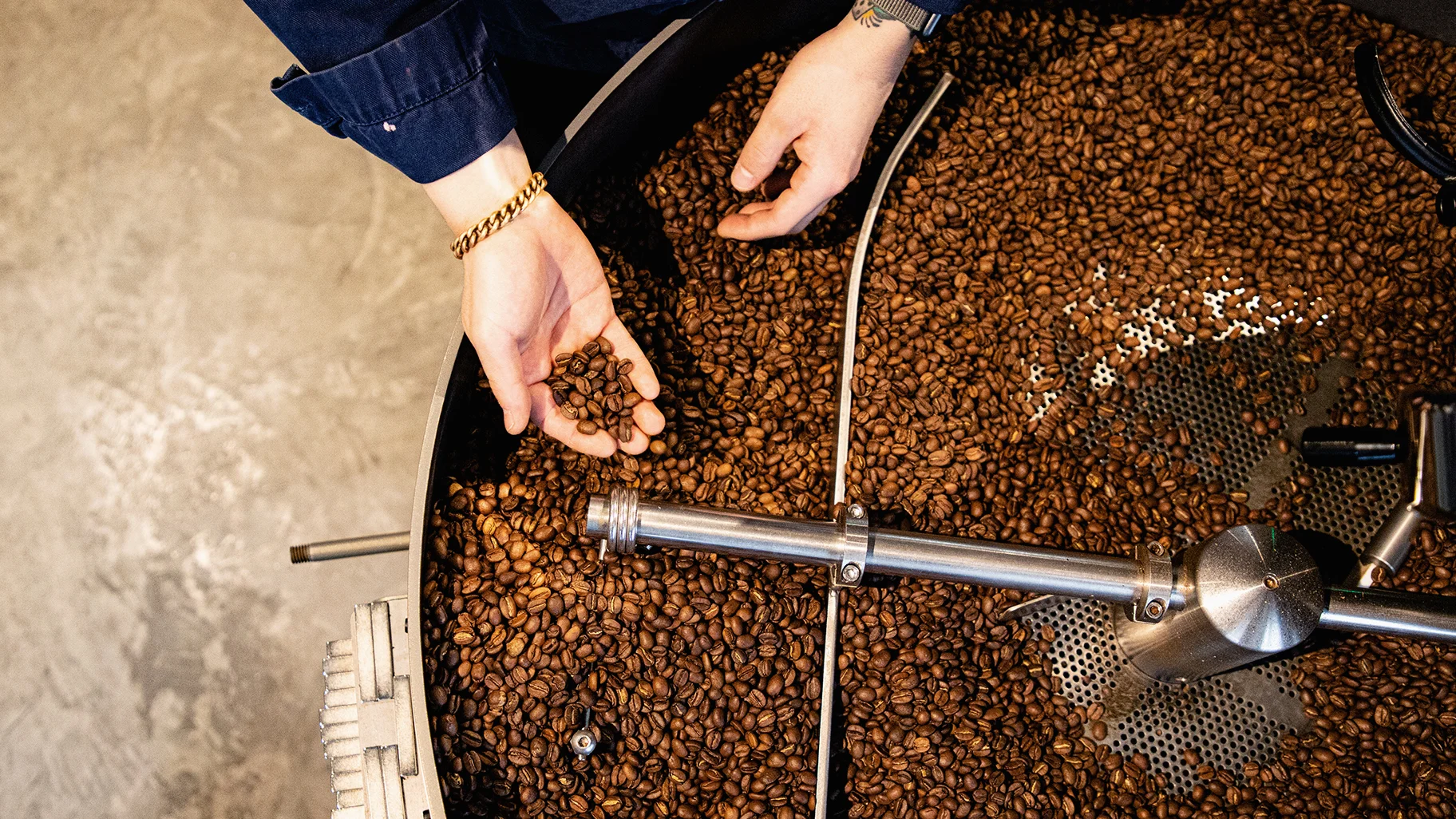
Drinking coffee may be what you need to start your day, but how much caffeine is really in your early morning brew? The world-famous elixir made from roasted coffee beans, an average cup of brewed coffee is known for its elevated caffeine levels compared to most teas. Caffeine in coffee is especially affected by your chosen brewing method:
● Drip coffee – 70–140 mg per 8 oz cup
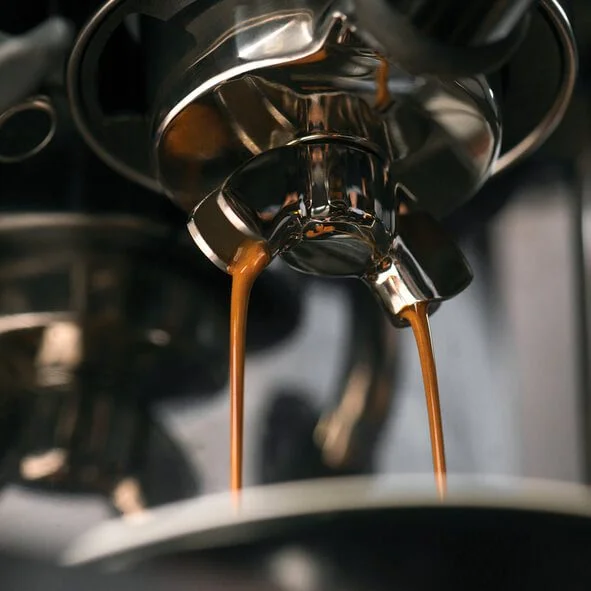
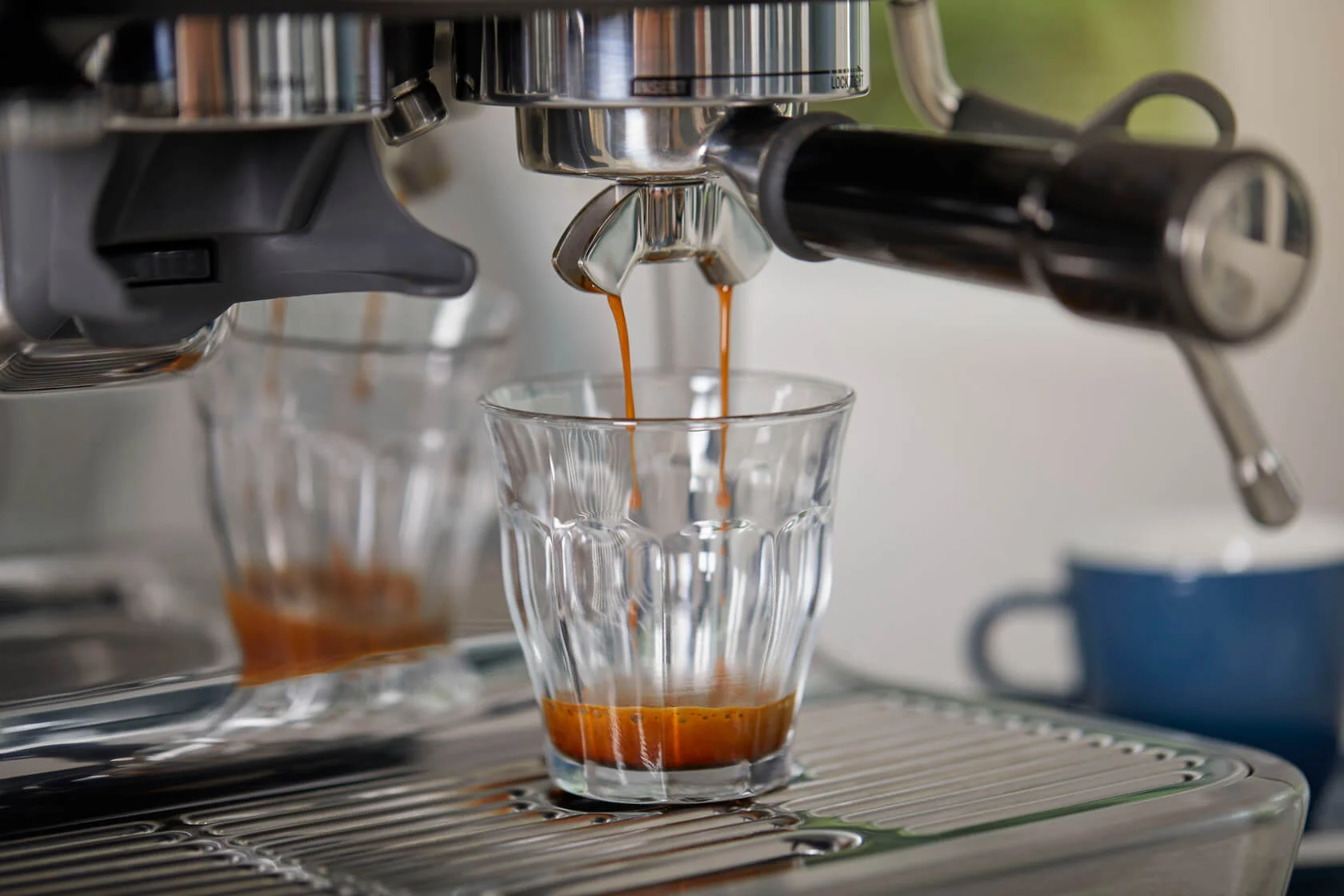
● Espresso – 63 mg per 1 oz shot
● Instant coffee – 30–90 mg per 8 oz cup
● Decaf coffee – 0–7 mg per 8 oz cup
It's worth noting that coffee’s caffeine content can also be affected by various, sometimes surprising factors. For example, light roast beans retain more caffeine than darker roasts. And using extra hot water to pull a longer espresso shot draws out more caffeine, despite the “weaker” taste.
How to choose based on caffeine needs
With a solid understanding of the different concentrations between these caffeinated beverages, here are a few factors to consider when deciding which one is right for you:
● Desired energy boost – If you need a quick energy surge to jump-start your day or power through a slump, brewed coffee is typically your best bet due to its rapid absorption and potency. On the other hand, brewed tea offers a more gradual energy lift, thanks to a combination of caffeine and amino acids like L-theanine, which promote a smooth, sustained increase in alertness.,
● Caffeine sensitivity – Everyone responds to caffeine differently—and for some, that cup of cold brew coffee can leave you more jittery than energized. So it’s always important to listen to your body, toning down the caffeine to best match your sensitivity.
● Personal taste preferences – Whether you enjoy the nutty nuances of a nice espresso or the evocative eloquence of Earl Grey tea, taste matters. The speed of your caffeine intake—often quicker with sweet or iced versions—impacts how quickly and intensely you feel its effects.
By keeping these considerations in mind, you can tailor your caffeine consumption to better suit your lifestyle, health, and personal preferences. This ensures every cup supports (rather than disrupts) your daily activities.
See related: Coffee vs. matcha
Enhancing your beverage experience
Regardless of whether you choose tea or coffee, there are several ways to enhance the experience and make the most of your caffeine boost:
● Choose high-quality ingredients – Consider trying premium tea leaves or freshly roasted coffee beans for the best flavor and overall drinking experience.
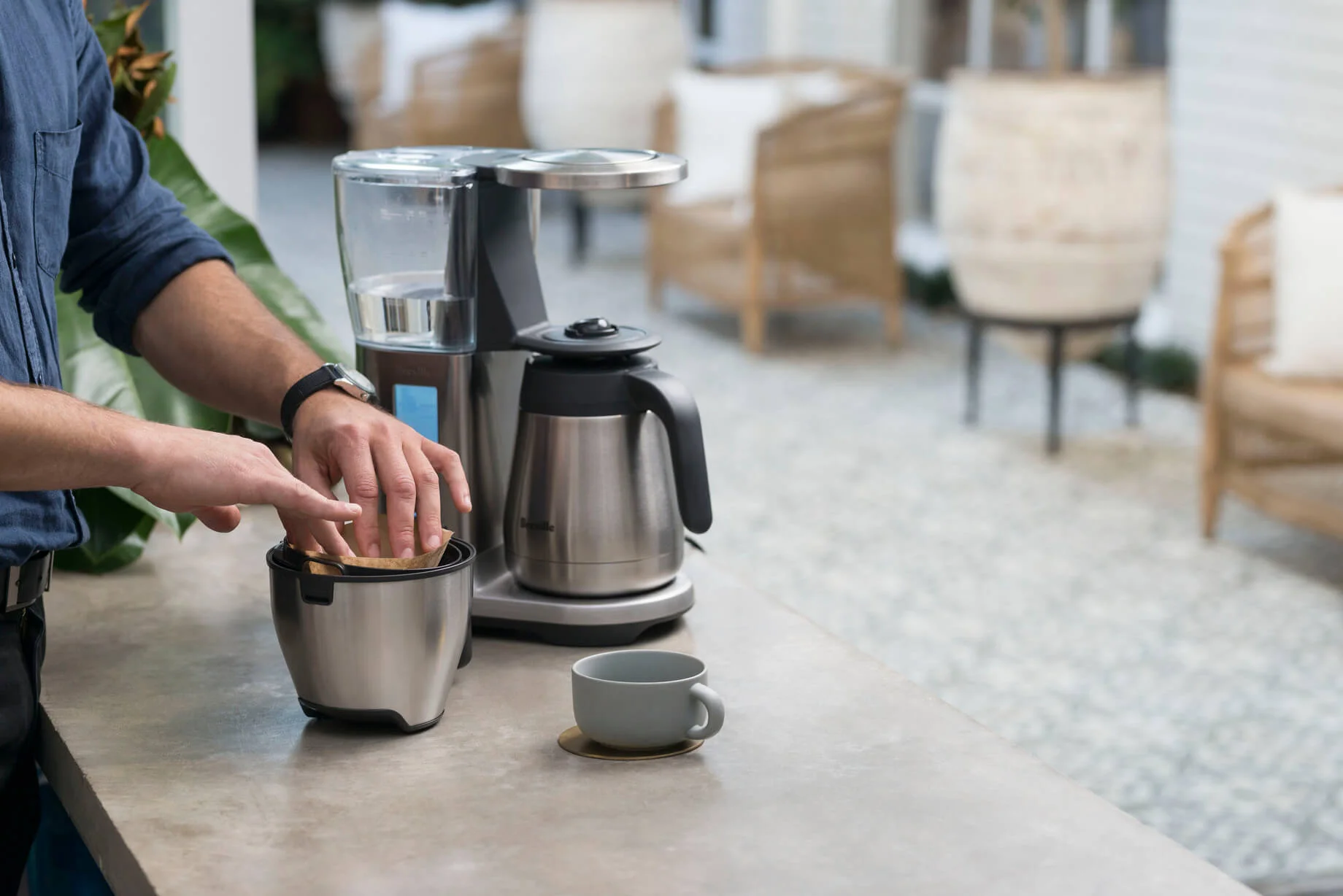
● Experiment with different brewing methods – From pour-over coffee to traditional tea ceremonies, exploring various brewing techniques can help you discover new flavor profiles and appreciate the nuances of your chosen beverage.
● Pair your beverage with mindfulness – Take a moment to savor the aroma, flavor, and ritual of preparing and drinking your tea or coffee. A pinch of mindfulness in your routine is sometimes the perfect balance for the caffeine kick that follows.
These suggestions not only help you get the most out of your beverages’ taste and aroma, but also contribute to a more fulfilling and energizing experience.
Of course, there’s another important factor in crafting quality, caffeinated beverages: using the right tools for the job.
Create café-quality caffeine kicks at home with Breville
Whether you're a tea enthusiast or a coffee connoisseur, understanding the caffeine content in your preferred beverage can help you find the perfect balance of flavor and energy to fuel your day.
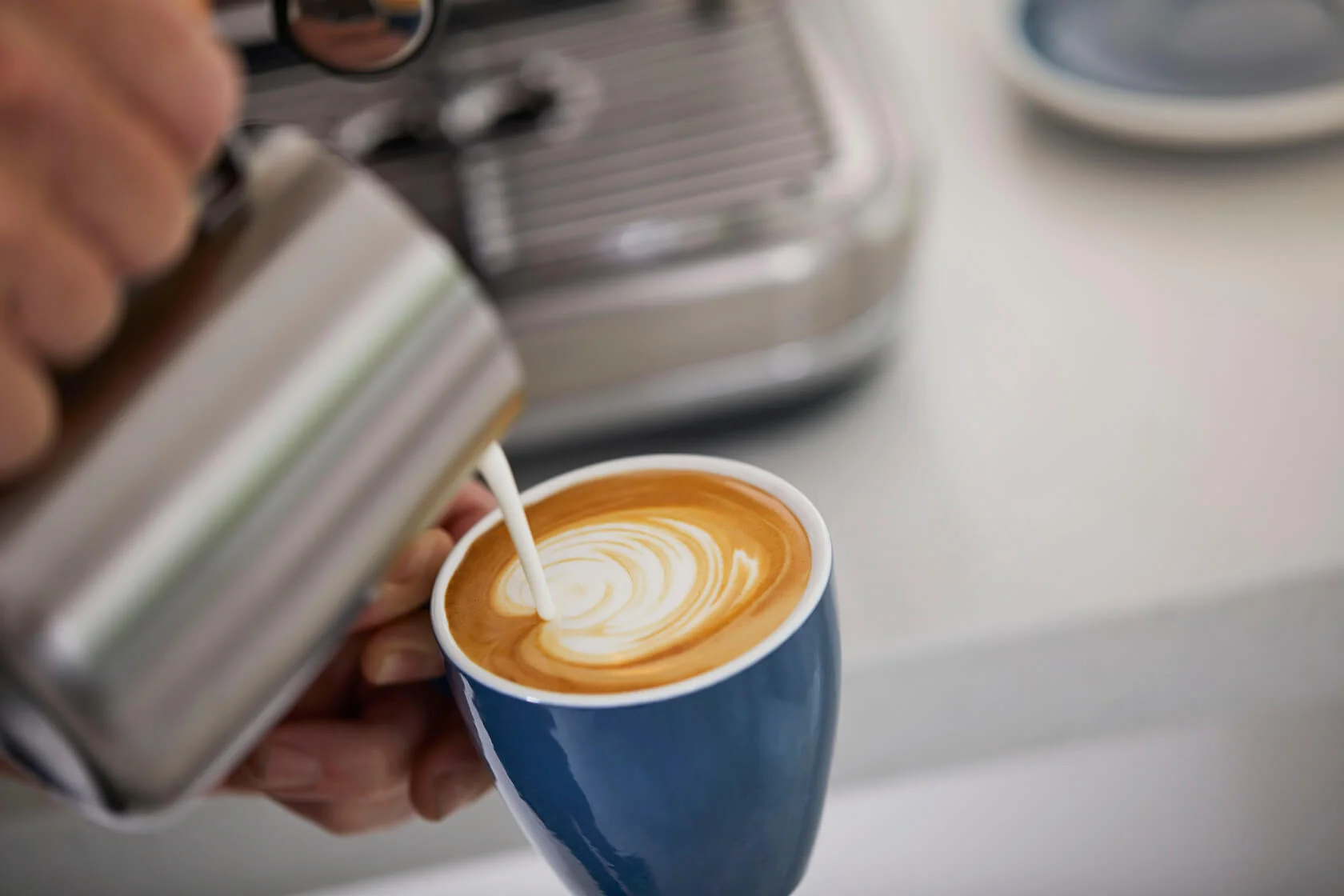
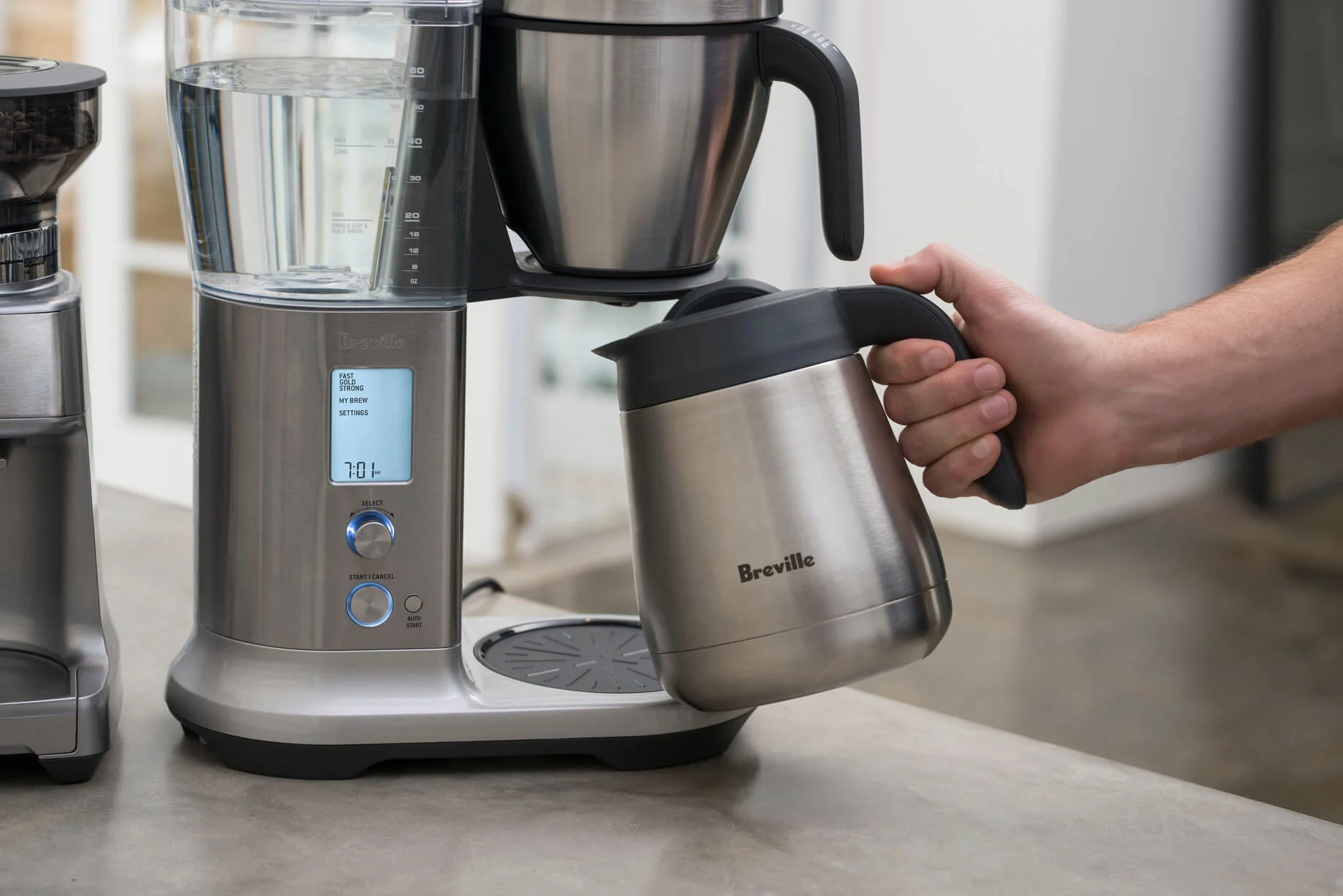
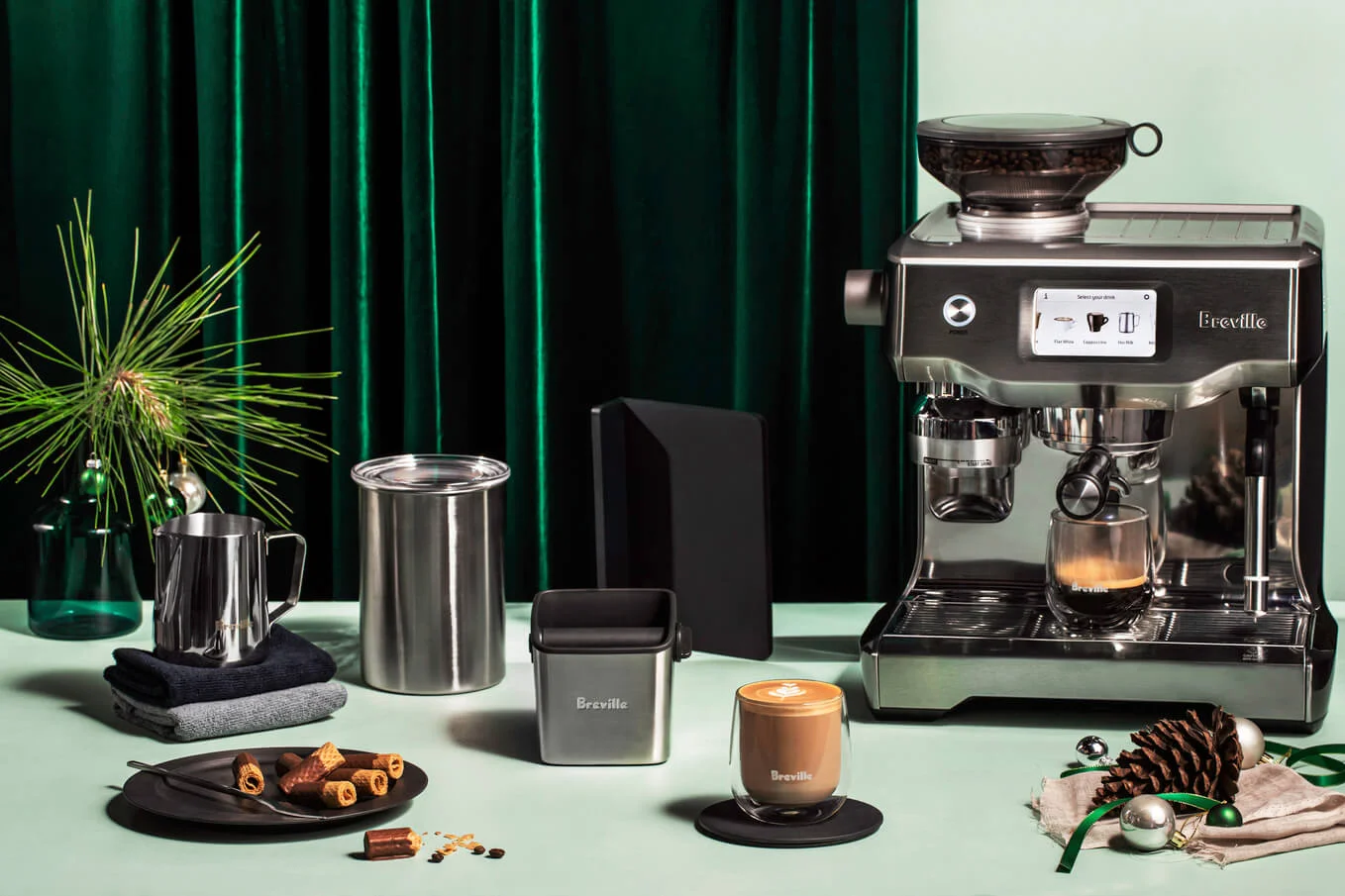
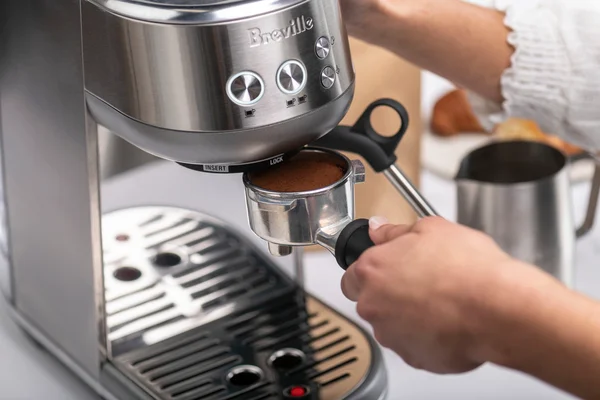
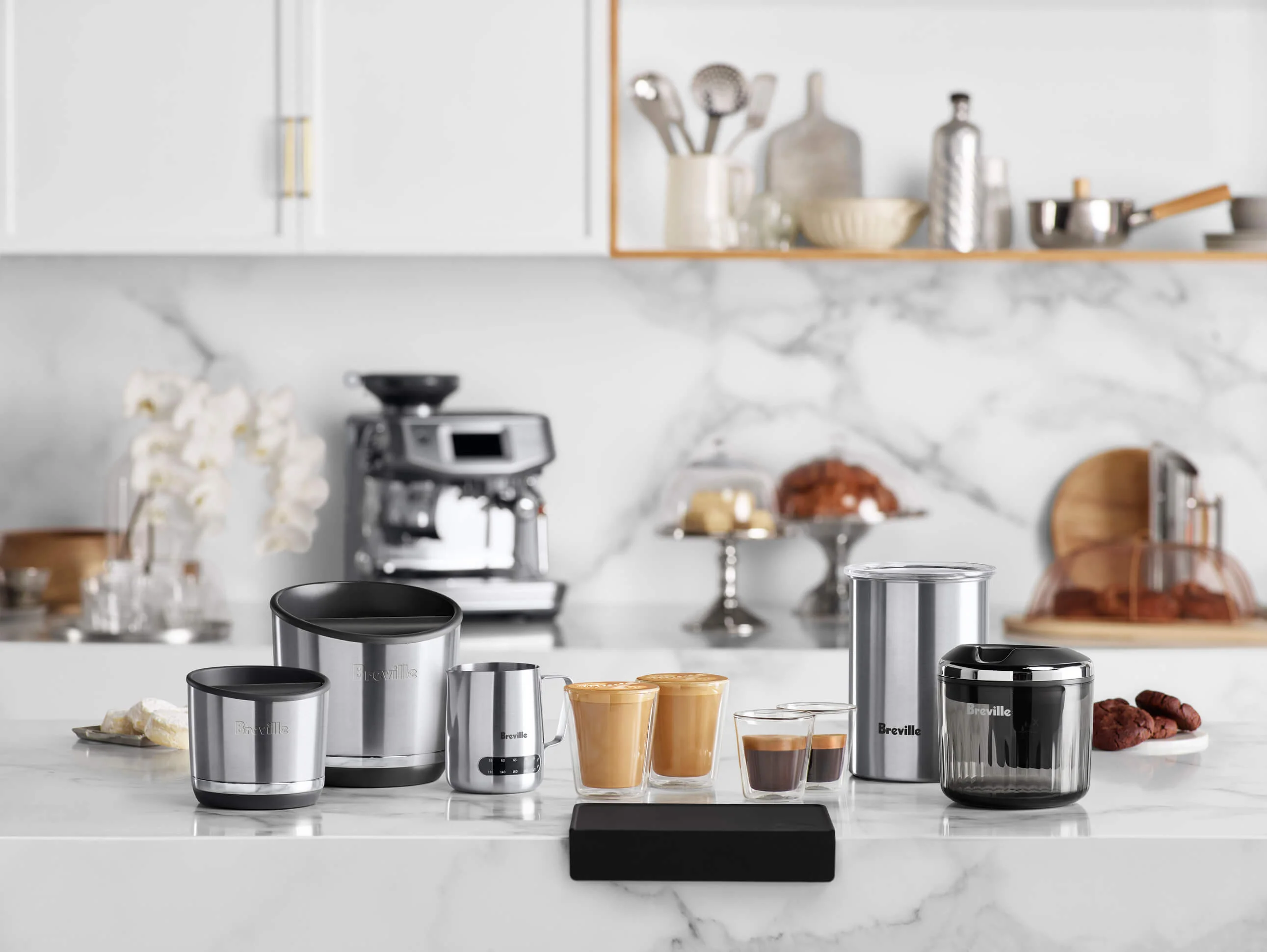
But a cup of tea or coffee can be much more than just a drink; it can be the highlight of your daily routine. That’s why Breville offers a range of premium appliances, including our collection of precision coffee machines. If a cup of tea is your go-to in the morning, our collection of tea makers is designed to help you achieve the perfect brew every time.
Why not explore our lineup and discover how Breville can transform your home brewing experience? Elevate your morning ritual and enjoy café-quality caffeine kicks without ever leaving your kitchen.
Start your journey to better brewing today with Breville.
Sources:
1. WebMD. How Caffeine Affects Your Body. https://www.webmd.com/diet/how-caffeine-affects-your-body
2. Healthline. How Much Caffeine Does Tea Have Compared with Coffee? https://www.healthline.com/nutrition/caffeine-in-tea-vs-coffee#caffeine-content
3. Healthline. How Much Caffeine in a Cup of Coffee? A Detailed Guide. https://www.healthline.com/nutrition/how-much-caffeine-in-coffee
4. National Library of Medicine. Influence of Various Factors on Caffeine Content in Coffee Brews. https://www.ncbi.nlm.nih.gov/pmc/articles/PMC8228209/
5. National Library of Medicine. Pharmacology of Caffeine. https://www.ncbi.nlm.nih.gov/books/NBK223808/
6. National Library of Medicine. Effects of an L-Theanine-Based Nutrient Drink. https://www.ncbi.nlm.nih.gov/pmc/articles/PMC4728665/